The Netflix phenomenon Stranger Things returns with its highly anticipated fifth season this November, promising to reignite discussions about its blend of nostalgia, supernatural horror, and compelling character arcs. Yet alongside the excitement, a deeper critique is emerging, focusing on the series’ portrayal of disability and trauma. Academic voices, including Joanne Watson, Senior Lecturer in Disability and Inclusion at Deakin University, have begun to analyze how Stranger Things uses disability trauma as a narrative device, raising questions about the ethics of entertainment built around real-world suffering.
In the gripping fourth season of Stranger Things, the introduction of Pennhurst Mental Hospital serves as a chilling centerpiece. Although the institution is fictional, it draws clear inspiration from the real-life Eastern Pennsylvania State Institution for the Feeble-Minded and Epileptic, commonly known as Pennhurst State School and Hospital. Operating from 1908 until its closure in 1987, Pennhurst housed over 10,000 individuals with intellectual disabilities and mental illnesses, many of whom endured mistreatment and isolation.
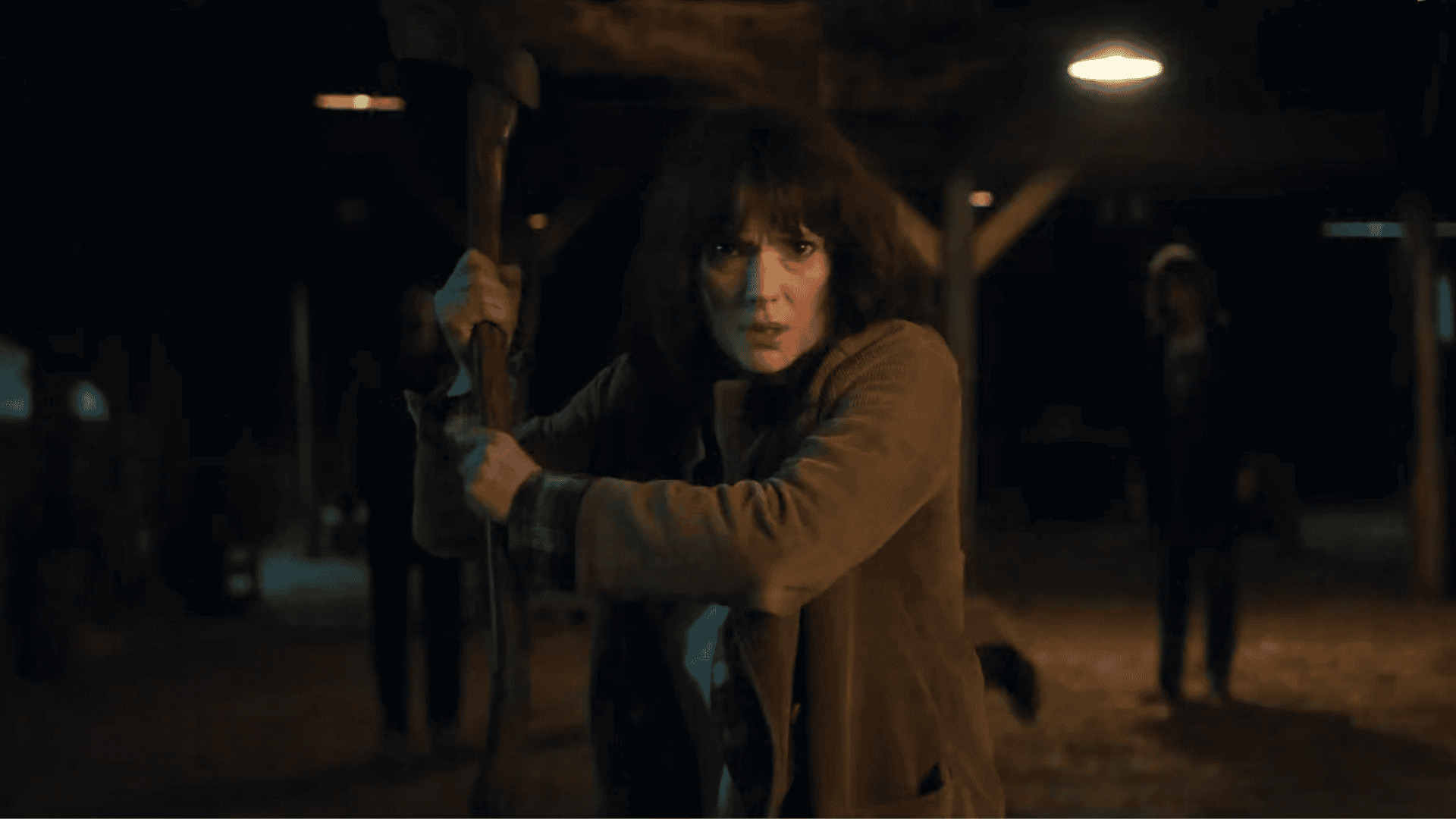
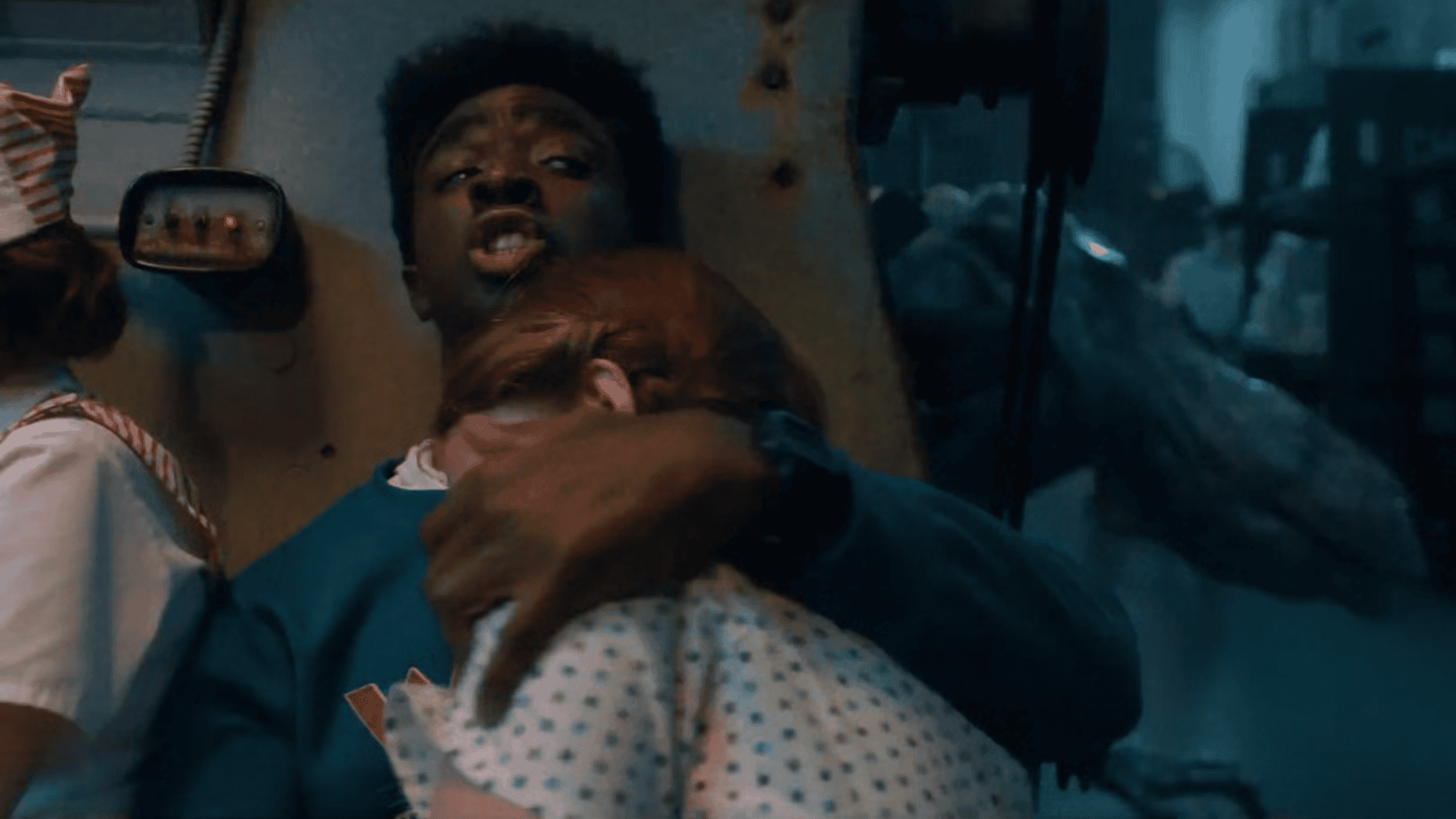
Watson emphasizes the gravity of this history: “It was a place of segregation, power, abuse, neglect, and torture,” she notes. Institutions like Pennhurst were founded on the belief that people with disabilities posed a threat to social order. While Stranger Things presents Pennhurst as a backdrop for horror and suspense, Watson warns that this approach risks reducing the lived experiences of marginalized individuals to mere entertainment. When characters like Robin and Nancy navigate the dark corridors of the asylum, the show evokes the echoes of institutional trauma—but the real stories of those who suffered there remain overshadowed by the thrill of fiction.
The popularity of “dark tourism” highlights society’s fascination with the macabre histories of mental health institutions. Sites such as Pennhurst in the United States and Australia’s Aradale Lunatic Asylum often market ghost stories and “jump scares,” while largely ignoring the human suffering that occurred within their walls. As Downey and Conroy note in Pennhurst and the Struggle for Disability Rights, the allure of horror intertwined with historical trauma frequently leads to offensive portrayals, depicting people with disabilities as dangerous or criminal.
These portrayals perpetuate harmful stereotypes and marginalize the narratives of resilience and survival that define the experiences of countless individuals. Watson argues for a more conscientious approach to storytelling, one that balances engaging narratives with respect for the dignity of those represented.
As the Duffer Brothers and Netflix prepare to release the fifth season of Stranger Things, Watson emphasizes the opportunity to rethink the show’s engagement with trauma. “A dedication to Pennhurst residents could even be added to a Stranger Things episode or opening credits,” she suggests. Such an acknowledgment would provide a platform for education as well as entertainment, encouraging viewers to reflect on the systemic injustices that have historically affected people with disabilities.
By fostering awareness in this way, series like Stranger Things could transform from thrilling escapism into thoughtful social commentary. Highlighting the real human stories behind the horror encourages conversations about trauma, resilience, and personhood, reminding audiences that entertainment carries a responsibility to honor truth alongside imagination.
The upcoming season offers not only a confrontation with the supernatural threats of the Upside Down but also a chance to acknowledge historical realities. For Watson, this is a reminder that storytelling can entertain while simultaneously respecting the lives and experiences of those who came before—a lesson the Duffer Brothers have the opportunity to embrace as they conclude this beloved series.