When Stranger Things premiered on Netflix in July 2016, it was marketed as a nostalgic supernatural thriller set in the 1980s, but few predicted the cultural impact it would have. The Duffer Brothers, Matt and Ross, originally envisioned the series as a standalone miniseries or possible anthology, with ideas for different decades and storylines. One early concept even involved a second season set in the early 1990s, featuring older versions of the characters returning to Hawkins.
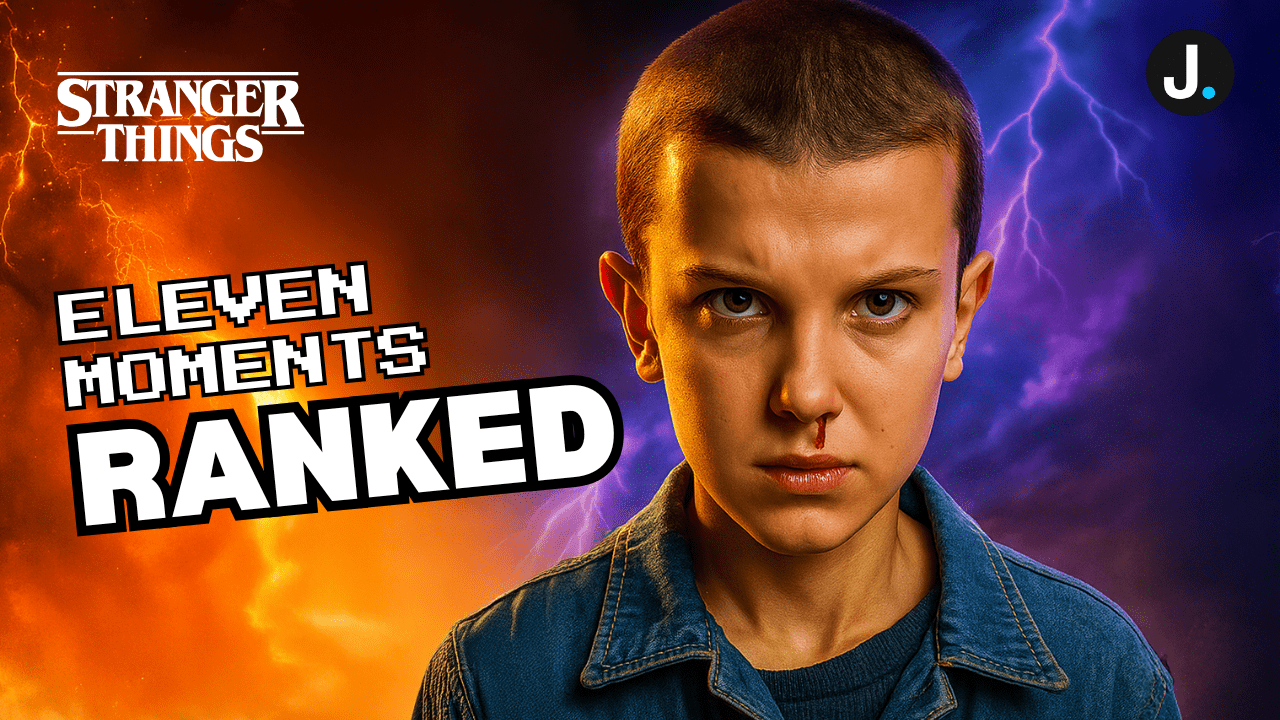
The success of the first season changed these plans. Audiences responded strongly to the young cast, including Millie Bobby Brown as Eleven and Finn Wolfhard as Mike, and the Duffers chose to keep the original characters together in Season 2, set in 1984. This maintained the emotional investment viewers had already developed. The series balanced supernatural threats like the Upside Down and the Demogorgon with human stories—friendship, first love, loyalty, and the challenges of adolescence—which made the fantastical elements more impactful.
Netflix quickly recognized the show’s potential. CEO Reed Hastings commented in early August 2016 that it “would be dumb not to” renew the series. By the end of July, the Duffers had already drafted a Season 2 outline, and the official renewal was announced on August 31, just over a month after the premiere. Matt Duffer later said the timing was intended to build anticipation and excitement.
By keeping the cast and the 1980s setting, Netflix avoided fragmenting the story and allowed audiences to remain invested in familiar characters while introducing new threats. The collaboration between executives and creators illustrates how streaming platforms can combine real-time audience data with creative vision to sustain a series’ success.
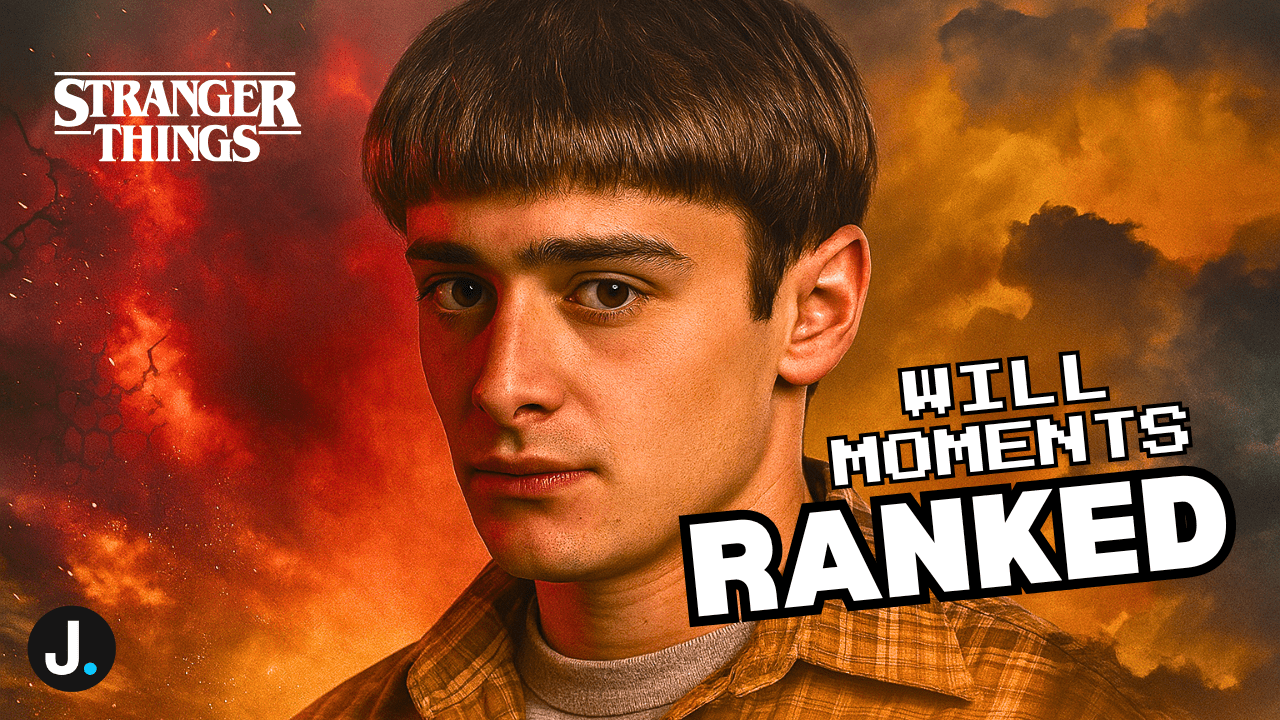
The early decisions shaped the show’s long-term continuity. Maintaining the original cast, focusing on character-driven storytelling, and staying in the 1980s helped establish a consistent narrative foundation. These choices allowed Stranger Things to explore Eleven’s growing powers, Will Byers’ personal journey, and the escalating dangers of the Upside Down, while keeping fans engaged across multiple seasons.
Stranger Things also set a standard for how streaming shows manage audience expectations. Fans expect emotional consistency and thoughtful progression of storylines. The show’s balance of nostalgia and fresh storytelling demonstrates the value of respecting viewers’ investment while still expanding the narrative.
As Season 5 approaches in November 2025, it promises to conclude nearly a decade of storytelling. The final season will continue to develop established characters, deepen the mythology of the Upside Down, and deliver suspenseful, emotionally resonant narratives. The decisions made early in the show’s development, including Netflix’s prompt renewal and the commitment to character-driven plots, have ensured that Stranger Things remains a cultural landmark and a model of successful modern streaming.